
 Join us in correcting historical inaccuracies and presenting a more inclusive and diverse perspective on the millenniums-long history of African Royal Empires and Monarchies from 4000 BC to the present day
Become a Member today for free
Join us in correcting historical inaccuracies and presenting a more inclusive and diverse perspective on the millenniums-long history of African Royal Empires and Monarchies from 4000 BC to the present day
Become a Member today for free

Tower in the Great Inclosure I Graet Zimbabwe I Mutapa Empire
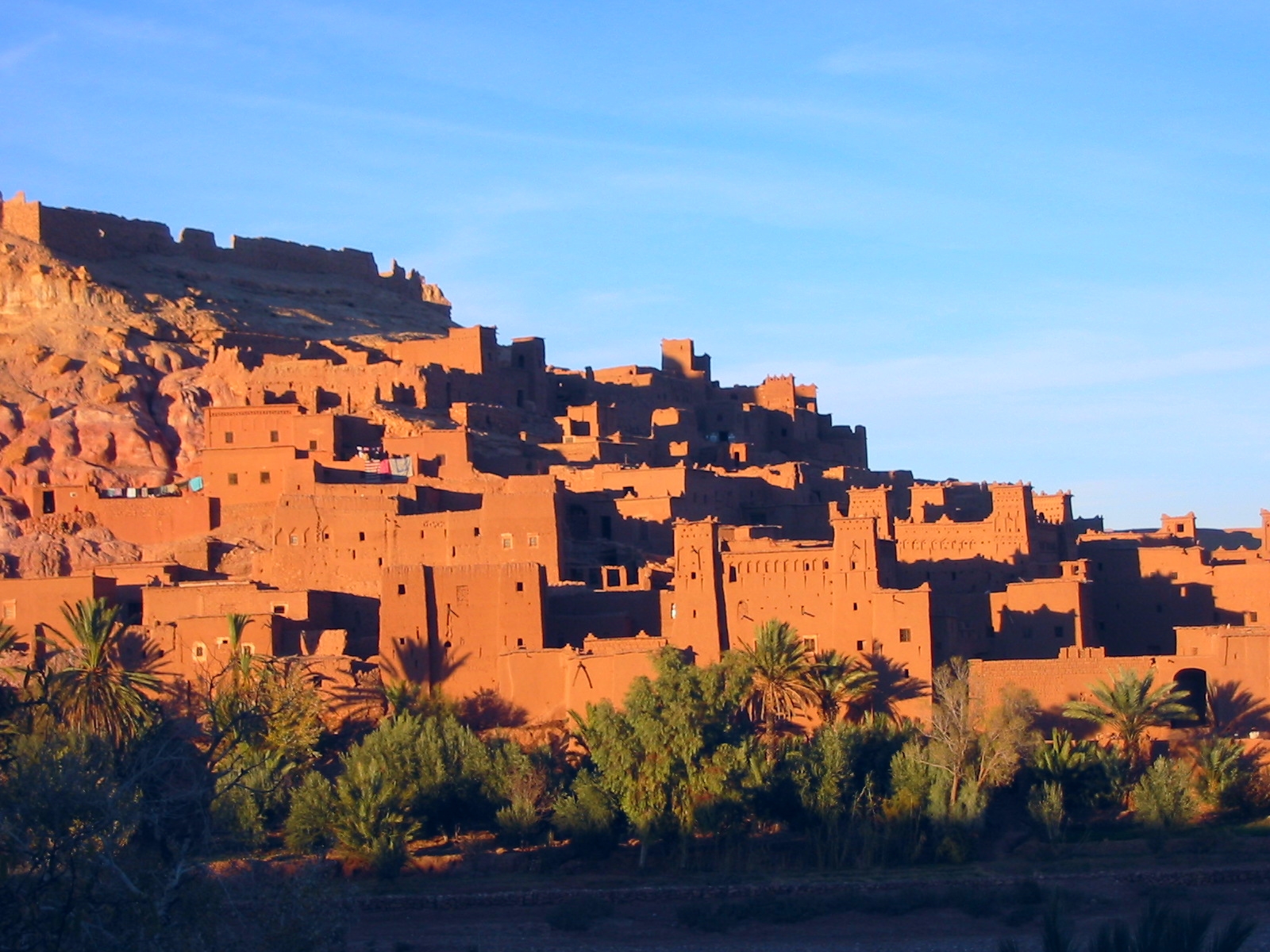
Aït Benhaddou I North African Empires

Sudan Meroe Pyramids I Empire of Kush
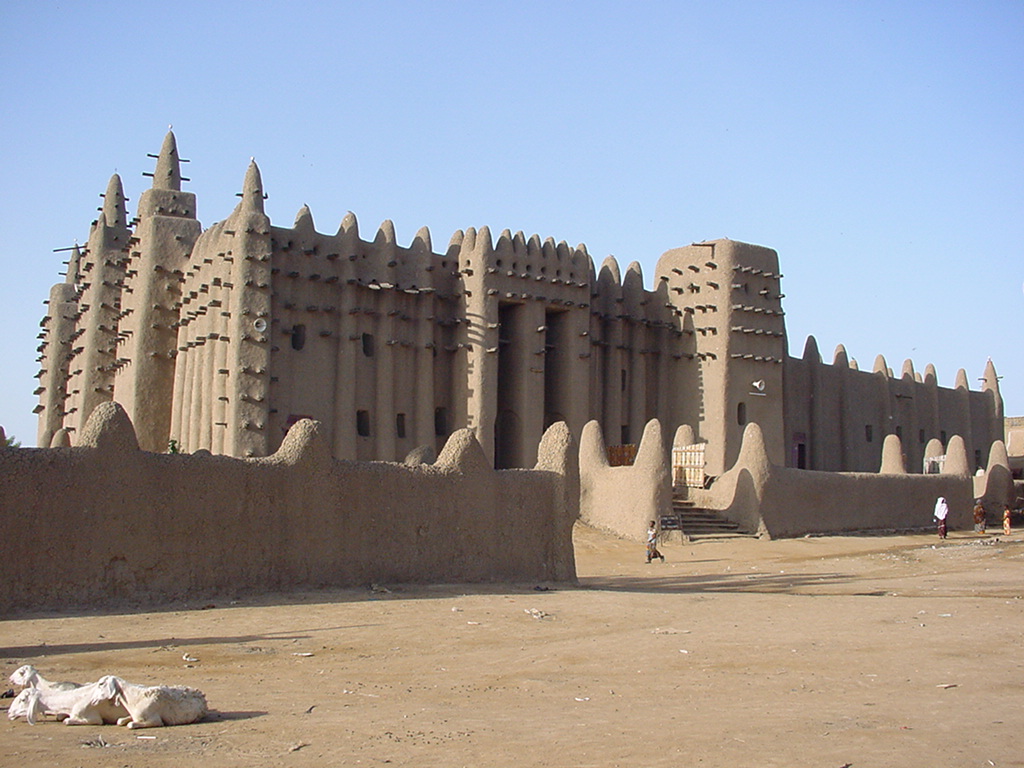
Great Mosque of Djenné I Mali I Sahelian Empires
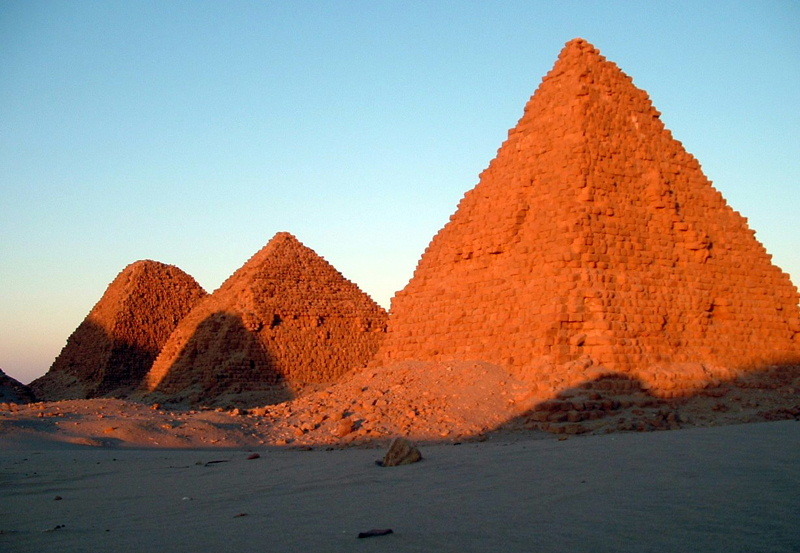
Pyramids of Nuri I Sudan I Empire of Kush

Mapungubwe Hill I Mapungubwe King- & Queendom

Taharqa’s kiosk I Karnak Temple I Empire of Kush
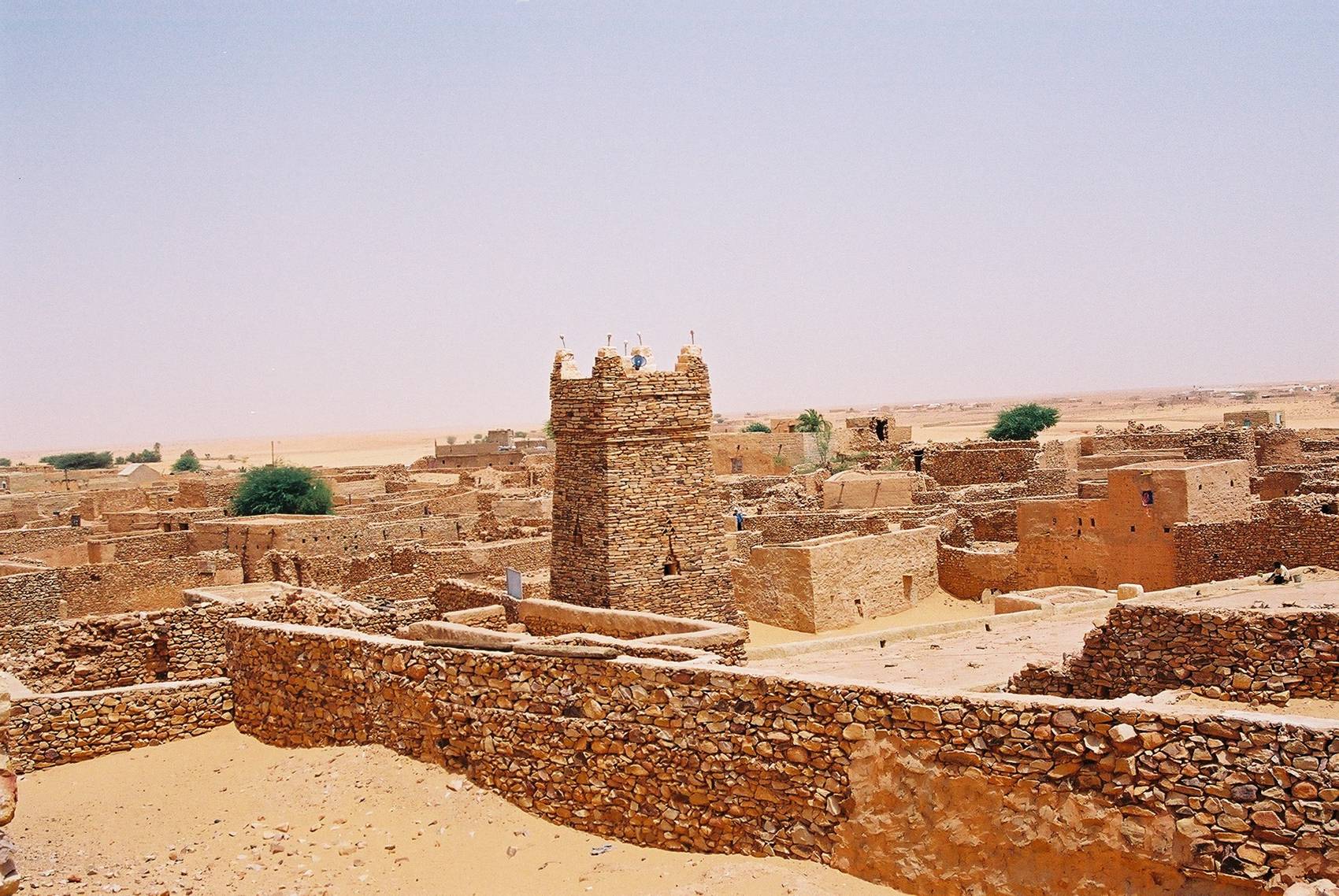
Chinguetti OldTown I Sahelian Empires
Welcome
Dear All,
Welcome to the African Royal Empires Website! We are excited to have you here and look forward to sharing with you the rich history and cultural heritage of the African Royal Empires and their Traditional Leaders.
Our page is dedicated to highlighting the achievements and contributions of various African Royal Empires, including their political systems, art, architecture, and social customs. We believe that understanding these historical legacies is crucial to appreciating and celebrating the diversity and complexity of African cultures.
We invite you to engage with us by liking and sharing our content, leaving comments, and asking questions. We hope that this platform will foster meaningful conversations and connections among African Royality and people who share a passion for Africa’s reach history and culture.
Thank you for joining us on this journey, and we can’t wait to learn and grow together!
Best regards,
The African Royal Empires Team
Introduction
This website invites you to join this community of African Royals, African Indigenous Leaders, African Elders, and African Community members who can accurately represent African history and culture.
African history is a vast and complex field that is both fascinating and often challenging to understand and appreciate. It covers many periods that span from ancient times to the present day and include a wide range of cultures, peoples, and nations.
African history is often divided into several distinct eras, including ancient, early modern, and modern history.
Many people believe that the historical accounts of Africa have been dominated by European perspectives, which have often portrayed Africa in a negative light and ignored the contributions and achievements of African civilizations.
The revision of African history aims to correct these distortions and provide a more accurate and inclusive account of the continent’s past.
Overall, the review of the history of Africa is a complex and controversial issue, and different perspectives on the matter will likely continue to emerge in the years to come.
The following information on this website was collected from different sources on the Internet such as Wikipedia, History.com, UNESCO, etc.
The revision of African history aims to correct some distortions and provide a more accurate and inclusive account of the continent’s past.
African History Periods
Ancient African history covers the period from the rise of the first civilizations in the region around 4,000 BCE to the end of the slave trade in the 19th century. This era is marked by the rise and fall of great empires, the development of powerful religions and beliefs, and the spread of African cultural influences throughout the world.
Early modern African history covers the period from the end of the slave trade to the start of the 20th century. This period includes the scramble for Africa by European powers, the rise of the powerful African kingdoms, and the emergence of African nationalist movements.
Finally, modern African history covers the period from the end of World War II to the present day. This period includes the struggle for independence and the rise of modern African states as well as the current challenges faced by many African countries.
View of Africans
The views of Africans on the review of the history of Africa vary widely:
- Some believe that a more comprehensive and accurate representation of African history is necessary to correct past biases and omissions.
- Others feel that this retelling may have a negative impact on the present and future of the continents.
- Some believe that the revision should focus on empowering the African people and promoting a positive image of Africa’s past, present, and future.
Ultimately, the opinions on this topic are complex and diverse, reflecting the cultural, political, and historical diversity of the African continent.
Correcting African Inaccuracies
Rewriting history is not advisable as it undermines the credibility of historical records and can lead to the spread of misinformation.
Instead, it is recommended to focus on correcting historical inaccuracies and presenting a more inclusive and diverse perspective on history.
This can be achieved through conducting further research, gathering multiple sources and perspectives, and accurately representing the contributions of underrepresented groups such as African communities.
Here are some perspectives on correcting historical inaccuracies of African history:
1. Importance of accuracy:
Many Africans believe that the review of the history of Africa is important for ensuring accuracy in the telling of their story. They want the world to know about their rich history, traditions, and culture, and to understand the contributions of Africa to human civilization.
2. Decolonizing history:
Many Africans view the review of the history of Africa as a way to decolonize the historical narrative and to challenge the Western-centric view of history. They believe that the history of Africa has been distorted by colonialism and that the revision is crucial for telling the story of Africa from an African perspective.
3. Empowerment:
Some Africans believe that the review of the history of Africa empowers the younger generations to learn about their heritage and to be proud of their roots. They believe that by reclaiming their history, they can also reclaim their dignity and restore their cultural identity.
4. Celebrating diversity:
Many Africans see the review of the history of Africa as a way to celebrate the diversity of the continent. They want to showcase the diversity of African cultures, languages, and traditions, and to promote a positive image of Africa to the world.
View of the African Diaspora
The African diaspora’s thoughts on the review of African history may vary widely, as people of African descent are a diverse group spread across the world. However, some may view the review of African history as necessary in order to correct previous inaccuracies and biases, as well as to gain a more complete understanding of the continent’s rich and complex history.
They may also see it as a way to promote cultural pride and a deeper connection to their African heritage.
Others may feel that the review of African history is a political and ideological battle, with different interpretations and perspectives reflecting the larger global power dynamics.
Some may feel that the review of African history is being driven by a desire to promote certain political or cultural agendas, rather than a genuine interest in accuracy and understanding.
Regardless of their individual perspectives, many in the African diaspora recognize the importance of understanding the history of Africa, and view it as an essential part of their own cultural and historical heritage.
Conclusion
How can the perspective on history be achieved? This can be achieved through conducting further research, gathering multiple sources and perspectives, and accurately representing the contributions of underrepresented groups such as African Royals, Elders, Traditional Leaders and Communities.
In conclusion, the review of the history of Africa is a sensitive issue that elicits different opinions, but most Africans agree that it is essential to have a more accurate representation of their history and culture.
Empires in Africa
Pre-colonial Africa existed before the Scramble for Africa (c. 1880–1914) when most of the continent came under the control of European powers. Many of them are still in existence in modern history until present.

Some kingdoms, such as the Kingdom of Ardra in Benin, Lesotho, Eswatini, Buganda in Uganda, or the Kingdom of Bailundo in Angola, still exist today as non-sovereign monarchies, with varying legal and constitutional statuses within their respective countries.
Historian Jan Vansina (1962) discusses the classification of Sub-Saharan African Kingdoms and Queendoms, mostly of Central, South and East Africa, with some additional data on West African (Sahelian) Kingdoms distinguishing five types, by decreasing centralization of power:
- Despotic Kingdoms: Kingdoms where the king controls the internal and external affairs directly. Examples are Rwanda, Ankole, Busoga and the Kingdom of Kongo in the 16th century.
- Regal Kingdoms: Kingdoms where the king controls the external affairs directly, and the internal affairs via a system of overseers. The king and his chiefs belong to the same religion or group.
- Incorporative Kingdoms: Kingdoms where the king only controls the external affairs with no permanent administrative links between him and the chiefs of the provinces. The hereditary chiefdoms of the provinces were left undisturbed after conquest. Examples are the Bamileke, Lunda, Luba and Lozi
- Aristocratic Kingdoms: the only link between central authority and the provinces is payment of tribute. These kingdoms are morphologically intermediate between regal kingdoms and federations. This type is rather common in Africa, examples including the Kongo of the 17th century, the Cazembe, Luapula, Kuba, Ngonde, Mlanje, Ha, Zinza and Chagga states of the 18th century
- Federations such as the Ashanti Union. Kingdoms where the external affairs are regulated by a council of elders headed by the king, who is simply primus inter pares.
The Islamic empires of North and Northeast Africa do not fall into this categorization and should be discussed as part of the Muslim world.
Ancient history (3600 BC–500 AD)
Ancient history refers to the time period beginning with the first records in writing, approximately 3600 BC. It ends with the fall of several significant empires, such as the Western Roman Empire in the Mediterranean, the Han Dynasty in China, and the Gupta Empire in India, collectively around 500 AD.
Postclassical Era (500–1500 AD)
The Postclassical Era, also referred to as the Medieval period or, for Europe, the Middle Ages, begins around 500 AD after the fall of major civilizations, covering the advent of Islam. The period ends around 1450–1500, with events like the rise of moveable-type printing in Europe, the voyages of Christopher Columbus, and the Ottoman Empire’s conquest of Constantinople.
Modern history (1500–present )
African Royal empires
North African Islamic Kingdoms
Algeria
- Rustamid dynasty (776-909)
- Banu Ifran dynasty (830–1040)
- Zirid dynasty (947–1090)
- Fatimid dynasty (909 1171)
- Hammadid dynasty (1014–1152)
- Kingdom of Tlemcen (1235 – 1554)
- Kingdom of Ait Abbas (1510 – 1872)
- Kingdom of Kuku (1515 – 1638)
- Ottoman Algeria (1515–1830)
Morocco
- Idrisid dynasty (789–974)
- Almoravid dynasty (1061–1145)
- Almohad dynasty (1145–1244)
- Marinid dynasty (1244–1465)
- Wattasid dynasty (1471–1554)
- Saadi dynasty (1554-1666)
- Alaouite dynasty (1666–present
Tunisia
- Alaouite dynasty (1666–present
- Fatimid dynasty (Tunisian period) (921–969)
- Zirid dynasty (973–1148)
- Hafsid dynasty (1229–1574)
- Husainid dynasty (1705-1881)
- Aghlabid dynasty (800-909)
Egypt
- Tulunid dynasty (868–905)
- Ikhshidid dynasty (935–969)
- Fatimid dynasty (Egyptian period) (969–1171)
- Ayyubid dynasty (1171–1254)
- Mamluk dynasty (1250–1517)
- Sennar Sultanate (1502–1821)
Ancient Pre-Islamic North African Empires
- Kingdom of Kerma (2500–1500 BC)
- Ancient Egypt (3100–650 BC)
- Kingdom of Kush (1070 BC–350 AD)
- Ancient Carthage (575–146 BC)
- Kingdom of Numidia (202 BC–40 BC)
West Africa
Kingdom of Dagbon (11. Century)
Oyo Empire (1400–1895)
Benin Empire (1240–1897)
Kaabu Empire (1537–1867)
Aro Confederacy (1690–1902)
Bonoman (11th century–19th century)
Gbokpoe Dynasty (1700) Slave Traders
Central African Empires
- Kongo Kingdom (1400–1888)
- Luba Empire (1585–1885)
- Lunda Empire (1660–1887)
- Central African Empire (1976–79)
East African Empires
- The Empire of Kitara (900 AD – present) 10]
- The Buganda Kingdom (1500–present)
- The Wanga Kingdom, home of the Wanga (AbaWanga) tribe of the Luhya people. [11]
- The medieval Swahili city-states
Horn of Africa
- Ancient Barbara/Barbaroi cities and states mentioned in the Periplus of the Erythraean Sea (1st century).
- Opone/Xāfūn (1000 BC – 5th century AD)
- Mundus/Xīs
- Mosylon/Bōsāso
- Malao/Berbera
- Nikon/Būr Gābo
- Sarapion/Muqdisho
- Kingdom of Aksum (1st century – 9th century)
- Kingdom of Bazin (9th century)
- Kingdom of Belgin (9th century)
- Kingdom of Jarin (9th century)
- Kingdom of Qita’a (9th century)
- Kingdom of Nagash (9th century)
- Kingdom of Tankish (9th century)
- Sultanate of Mogadishu (10th century – 16th century)
- Ethiopian Empire (1137–1974)
- Zagwe dynasty (1137–1270)
- Solomonic dynasty (1270–1974)
- Sultanate of Ifat (1285–1415)
- Isaaq Sultanate (17th century –1884)
- Ajuran Sultanate (1300s–1700s)
- Adal Sultanate (1415–1555)
- Sultanate of Harar (1526–1577)
- Emirate of Harar (1647–1887)
- Sultanate of the Geledi (late 17th century – late 19th century)
- Majeerteen Sultanate (mid-18th century – early 20th century)
- Sultanate of Aussa (1734–present)
- Kingdom of Gomma (early 1800s–1886)
- Kingdom of Jimma (1830–1932)
- Kingdom of Gumma (1840–1902)
- Sultanate of Hobyo (1880s–1920s)
- Dervish state (1896–1920)
Southern African Empires
The Mutapa Empire or Empire of Great Zimbabwe (1450–1629) was a medieval kingdom located between the Zambezi and Limpopo rivers of Southern Africa in the modern states of Zimbabwe and Mozambique. Remnants of the historical capital are found in the ruins of Great Zimbabwe.
- Zulu Kingdom
- Maravi Empire or Marawi or Merowi or Merowe/ Meroe Empire. Not to be confused with Ancient Meroe.
- Kingdom of Mapungubwe
- Rozvi Empire
- Xhosa Kingdom
Useful links to websites related to African Empires
- Ancient History Encyclopedia on “African Empires”
- World History Encyclopedia on “African Empires”
- African Kingdoms – a comprehensive history
- The African Royal Families
- African Studies & African Histories
- Ancient Manuscripts from the Desert Libraries of Timbuktu
- Genocide Archive Rwanda